
How to Get Grease and Oil Out of Carpet
Grease and oil stains are some of the more difficult stains to remove from carpet. Whether it’s cooking oil, butter, greasy food, cosmetics, or another oily substance, these spills can quickly spread into the carpet fibers.
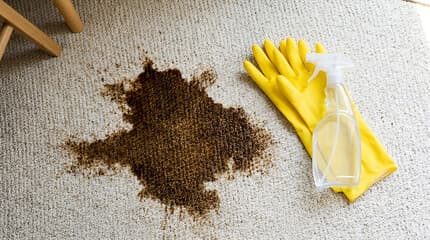
Rubbing the area can make the problem even worse by pushing the oil deeper into the carpet.
The good news is that many grease and oil stains can be treated successfully with the right products and techniques.
At A Magic Wand, we regularly deal with difficult carpet stains using professional stain-treatment techniques, premium cleaning products, and institutional-grade equipment.
Here’s what Calgary homeowners should know about getting grease and oil out of carpet.
Why Grease and Oil Are Difficult to Remove
Water alone isn’t particularly effective at removing oily substances. That’s because grease and oil don’t mix easily with water. They can cling to carpet fibers and remain behind even after the surface appears cleaner.
Oil can also attract dirt.
If oily residue remains in the carpet, normal foot traffic can cause dirt to stick to the affected area. This can make the stain become darker or more noticeable over time.
That’s why simply putting water on a grease stain isn’t always the answer. The right cleaning chemistry is important.
What to Do After a Grease or Oil Spill
- If the spill involves greasy food, carefully pick up or scrape away any solid material without pushing it farther into the carpet.
- Use a clean, absorbent cloth or paper towel to gently blot the affected area.
- Continue blotting to absorb as much excess oil as possible without aggressively scrubbing.
Avoid Excessive Water
Adding large amounts of water isn’t necessarily going to remove an oily substance. In some situations, excessive moisture can spread the contamination or cause other problems.
Avoid Mixing Multiple Cleaning Products
It’s tempting to try several different products when a stain doesn’t disappear immediately. However, combining different chemicals can leave residue or make professional stain treatment more complicated.
If the stain is significant, it may be better to have it professionally assessed.
Should You Use Dish Soap on a Grease Stain?
Dish soap is designed to help break down grease on dishes, so it’s understandable that many people recommend it for carpet. However, carpet isn’t a dinner plate.
Using too much dish soap can leave behind a soapy residue that is difficult to remove from carpet fibers. That residue can attract dirt and cause the area to become dirty again.
If you do attempt any DIY treatment, use extreme caution and avoid soaking the carpet. For larger or stubborn grease stains, professional carpet cleaning is usually a better approach.
Does Baking Soda Remove Grease From Carpet?
Baking soda is another common internet recommendation for grease and oil stains. It may absorb some surface material, but it isn’t necessarily going to remove oil that has penetrated into the carpet fibers.
There’s another problem with using large amounts of baking soda on carpet: it can clump up and make a sticky mess that’s hard to remove.
If you’re dealing with a significant grease or oil stain, applying more powder may create another problem rather than solving the original one.
Can Professional Cleaning Remove Grease and Oil Stains?
Professional carpet cleaning can improve or remove many grease and oil stains. However, the result depends on several factors, including:
- The type of oil or grease
- How much was spilled
- How long it has been in the carpet
- The type of carpet fiber
- The carpet’s dye
- How deeply the substance penetrated
- Whether previous cleaning products were used
- Whether the carpet has been damaged
At A Magic Wand, we use advanced stain-treatment techniques designed for different types of stains. We don’t simply use the same product on every stain.
The cleaning chemistry and technique need to match the type of contamination and the carpet being treated.
Why Can a Grease Stain Reappear?
Sometimes a grease stain appears to be gone but becomes visible again later. This can happen if oily material remains deeper in the carpet fibers.
It can also happen when cleaning residue is left behind and begins attracting dirt. That’s why removing the visible mark isn’t always the same thing as removing the contamination responsible for it.
A professional technician can assess the area and determine the best approach. Learn more about why carpet stains can come back after cleaning.
Can Old Grease Stains Be Removed?
Old grease stains can be more challenging because the oil may have had a long time to bond with the carpet fibers and collect dirt. The longer the stain has been there, the more important proper stain-treatment chemistry becomes.
That doesn’t mean an old grease stain is impossible to remove. At A Magic Wand, we’ve successfully treated many stains that homeowners have been unable to remove themselves.
Can Low-Moisture Cleaning Treat Grease and Oil?
Yes, low-moisture carpet cleaning can be used as part of a professional approach to grease and oil stains.
Low-moisture cleaning doesn’t mean simply using less cleaning power. The process relies on the appropriate cleaning products, equipment, agitation, and stain-treatment techniques rather than simply putting large amounts of water into the carpet.
At A Magic Wand, our low-moisture process introduces significantly less water into the carpet than high-moisture cleaning methods. This is one advantage of our approach, particularly when you want your carpets cleaned with less moisture and shorter drying times.
A Magic Wand’s Stain-Treatment Approach
At A Magic Wand, we have decades of combined experience dealing with carpet stains and difficult cleaning situations.
We use:
- Professional stain-treatment techniques
- Premium cleaning products
- Institutional-grade equipment
- A low-moisture cleaning process
- Two experienced technicians on typical appointments
Our equipment can clean approximately 2,000 square feet per hour, and an average-size home can often be completed in about an hour.
Our premium products are designed not to leave the sticky residue that some cleaning products can leave behind. This helps carpets stay cleaner longer.
We also use significantly less water than high-moisture cleaning methods. Most synthetic residential carpets can average around five hours to dry, while wool and commercial carpets may dry in approximately one to two hours, depending on conditions. Read more about carpet drying times.
What if Grease Has Spread Through the Carpet?
If grease has been rubbed or walked through, the affected area may be much larger than the original spill. This is another reason not to scrub aggressively.
The more the oil spreads, the larger the area that needs to be treated. If you notice a greasy spot developing on your carpet, dealing with it early can make the job easier.
How to Handle Butter on Carpet
Butter can be particularly challenging because it contains both fat and other components. If butter gets into carpet, carefully remove any solid material and blot the area. Avoid rubbing it into the fibers.
Professional stain treatment may be able to remove the remaining oily residue, depending on the carpet and how deeply the butter has penetrated.
How to Handle Cooking Oil on Carpet
Cooking oil can often be treated professionally. The important thing is to avoid spreading the oil farther and to use cleaning chemistry designed to break down oily contamination.
If the cooking oil has been sitting in the carpet for a long time, the result may be more difficult to predict.
Frequently Asked Questions
What should I do after spilling grease on carpet?
Start by carefully removing any solid material and blotting excess grease with a clean absorbent cloth. Avoid rubbing or soaking the carpet. Stubborn grease stains may require professional stain treatment.
How do I remove cooking oil from carpet?
Blot as much of the excess oil as possible without rubbing it deeper into the carpet. Professional cleaning can often treat remaining oil using appropriate cleaning chemistry.
Can I use dish soap on grease in carpet?
Dish soap can break down grease, but excessive use can leave soap residue in carpet. That residue can attract dirt and cause the area to become dirty again.
Does baking soda remove grease from carpet?
Baking soda may absorb some surface material, but it may not remove grease that has penetrated deeper into the carpet. It can also clump up and become difficult to remove.
Can old grease stains be removed from carpet?
Many old grease stains can be improved or removed with professional treatment, but results depend on the carpet fiber, stain, age, depth, and previous treatments.
Can professional cleaning remove every oil stain?
Professional cleaning can remove many oil stains, but no reputable cleaner should guarantee that every stain will disappear completely. Some stains can permanently affect carpet fibers or dyes.
Can low-moisture cleaning remove grease and oil?
Low-moisture carpet cleaning can be combined with professional stain-treatment chemistry to address grease and oil contamination while introducing significantly less water into the carpet.
Professional Grease and Oil Stain Treatment in Calgary
Grease and oil don’t have to mean the end of your carpet. The key is to avoid spreading the stain, avoid excessive moisture, and use the appropriate cleaning chemistry for the type of contamination.
At A Magic Wand, we use professional stain-treatment techniques, premium cleaning products, experienced technicians, and institutional-grade equipment.
Our low-moisture carpet cleaning process also means significantly less water is introduced into your carpet, helping minimize drying time and disruption to your home.
If you have a grease, cooking oil, butter, or another difficult stain, learn more about our stain-removal service, or contact Darcy or Troy for a quote: 403-274-3029.